
INEC Chairman: AI Will Not Decide Nigeria’s 2027 Elections
INEC Chairman, Joash Amupitan has said AI will not determine the outcome of Nigeria’s 2027 general elections.
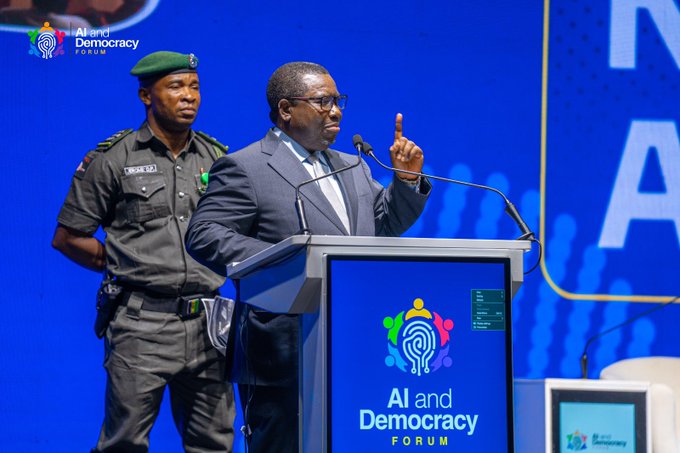
The Chairman of the Independent National Electoral Commission (INEC), Joash Amupitan, has said artificial intelligence (AI) will not determine the outcome of Nigeria’s 2027 general elections, insisting that the power to choose the country’s leaders rests with voters.
Amupitan made the statement at the Artificial Intelligence and Democracy Forum 2026 in Abuja, organised by INEC in collaboration with civic group Yiaga Africa.
“Algorithms will not, and must never, decide the 2027 vote,” he said, warning that although AI could predict patterns and suggest preferences, it lacked a conscience and the right to vote.
He, however, acknowledged that AI would influence the electoral process, including the information voters receive, election logistics and the activities of both democratic and anti-democratic actors.
Amupitan described the 2027 general elections as one of Africa’s largest democratic exercises, involving more than 103 million registered voters and 176,846 polling units across Nigeria’s 774 local government areas.
He said INEC had completed 10 of 14 major operational milestones under the Electoral Act 2026. The commission had also acquired additional Bimodal Voter Accreditation System (BVAS) devices, digitised candidate nominations and introduced online voter registration.
According to him, AI could improve election administration through route planning, result audits, biometric database management, multilingual voter information and cybersecurity.
However, he stressed that the technology would not replace human judgement in critical electoral processes, including result collation, voter accreditation and candidate qualification.
Amupitan added that human accountability, legal oversight and judicial review would remain central to every stage of the electoral process.
Comments (0)